Introduction
Attracting business customers is essential for machinery dealers who want to grow their equipment sales and distribution networks.
Unlike individual consumers, B2B customers often evaluate several factors before choosing an equipment supplier.
These may include:
- Product availability
- Manufacturer reliability
- Wholesale pricing
- Delivery arrangements
- Parts availability
- Warranty conditions
- Long-term cooperation
For construction equipment dealers, rental companies, and machinery distributors, the goal should be to attract qualified business inquiries rather than simply increase website traffic.
This guide explains practical ways machinery dealers can reach more B2B customers.
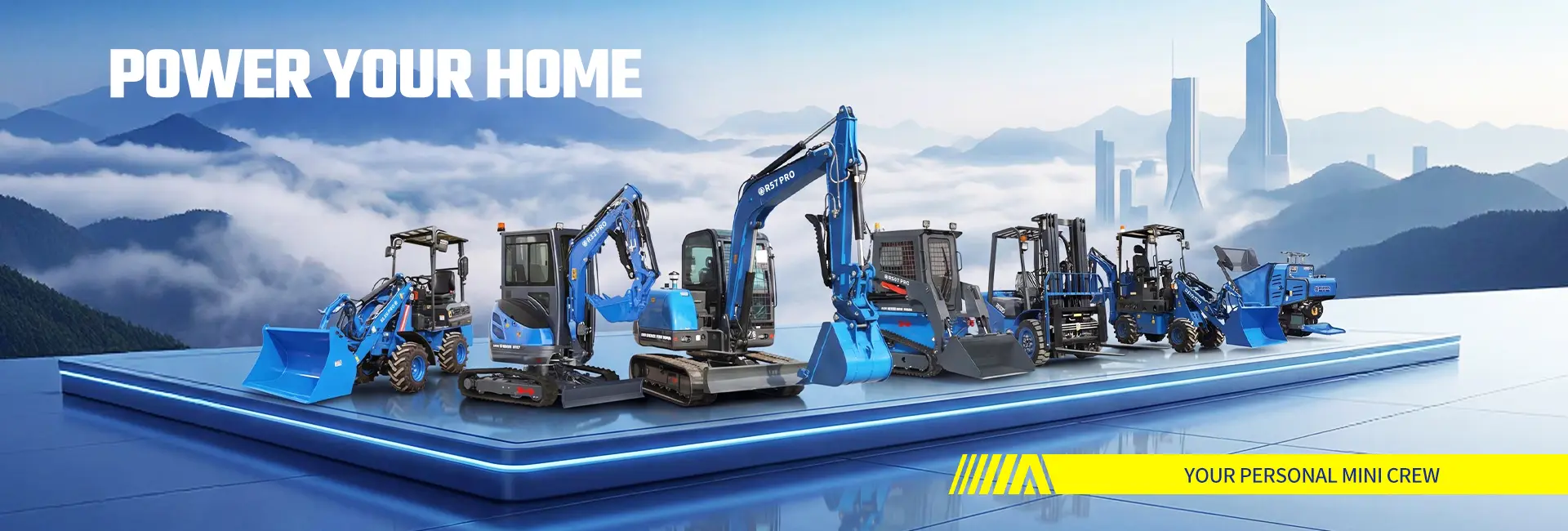
1. Identify Your Ideal B2B Customer Groups
Start by identifying the businesses most likely to purchase your products.
Potential customer groups include:
Construction Contractors
They may need machinery for excavation, loading, and site preparation.
Equipment Rental Companies
They may purchase multiple machines to expand their rental fleets.
Agricultural Businesses
They may need compact machinery for property maintenance and agricultural projects.
Landscaping Companies
They may require excavators and loaders for outdoor construction work.
Other Equipment Dealers
They may be interested in wholesale purchasing or regional distribution.
Machinery Importers
They may seek direct relationships with manufacturers and suppliers.
Different customer groups require different marketing messages.
2. Build a Professional Equipment Website
Your website is often one of the first places potential business customers evaluate your company.
Important elements include:
- Company introduction
- Product categories
- Product specifications
- Equipment photographs
- Wholesale inquiry information
- Dealer cooperation information
- Contact details
If you are recruiting distributors, make that purpose clear.
Use relevant phrases such as:
- Equipment Dealer Opportunities
- Wholesale Machinery
- Become a Distributor
- Construction Equipment Supplier
Do not rely only on general product descriptions.
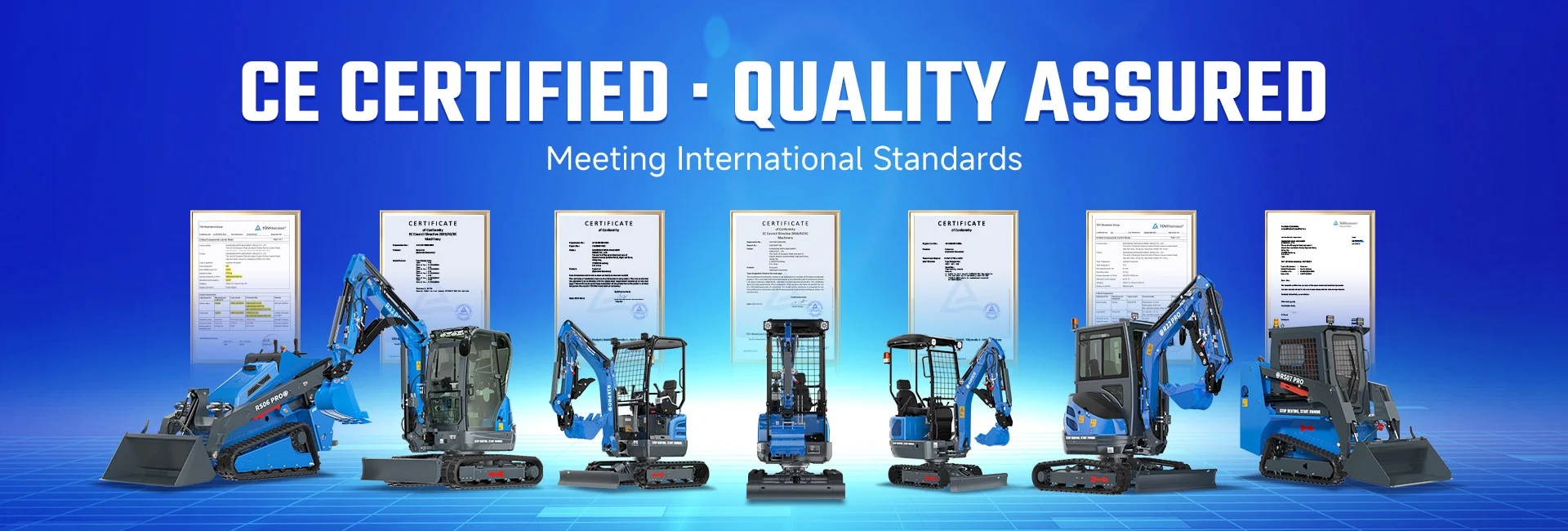
3. Use Real Equipment Display Photographs
Professional equipment photographs help establish credibility.
Useful images include:
- Machines displayed in a showroom
- Multiple units in inventory
- Product categories arranged together
- Equipment delivery
- Warehouse facilities
- Customer demonstrations
- Company staff with machinery
Real photographs help potential customers understand the scale and nature of your business.
For manufacturers, factory and production images can also support supplier credibility.
4. Publish Content That Answers Business Customers’ Questions
B2B customers often search for information before contacting a supplier.
Useful website content may include:
- How to become an equipment dealer
- How to import mini excavators
- How to evaluate machinery manufacturers
- How to select compact equipment
- How to plan dealership inventory
- What to consider before signing a distributor agreement
These topics can attract customers at different stages of the purchasing process.
5. Develop Relationships with Related Industries
Machinery dealers do not have to focus exclusively on traditional construction equipment companies.
Explore partnerships and customer relationships with:
- Tractor dealers
- Trailer dealers
- Landscaping equipment suppliers
- Rental companies
- Used equipment dealers
- Industrial machinery suppliers
These businesses may already have customers who need compact construction machinery.
6. Offer Product Demonstrations
A demonstration gives business customers an opportunity to understand machine operation and product applications.
Where available, demonstrations can help customers evaluate:
- Machine dimensions
- Operating controls
- Attachments
- Product configurations
- Application suitability
Use genuine demonstration photographs and videos in your marketing.
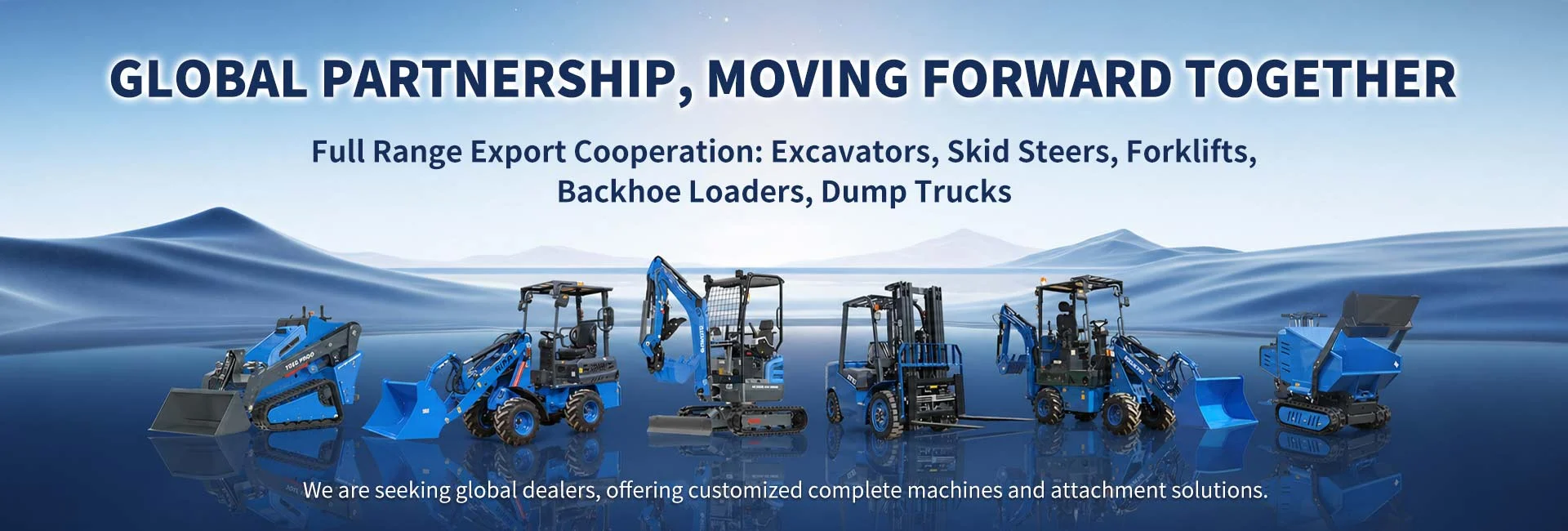
7. Develop a Clear Wholesale and Dealer Inquiry Process
A professional B2B inquiry process should help identify serious business customers.
Useful inquiry information includes:
- Company name
- Country and location
- Business type
- Website
- Product interests
- Estimated purchasing quantity
- Intended sales territory
This helps sales teams distinguish between personal-use inquiries and potential commercial partnerships.
8. Work with Manufacturers That Support Dealer Development
The manufacturer’s capabilities influence the dealer’s ability to serve customers.
Evaluate:
- Product range
- Manufacturing capabilities
- Wholesale arrangements
- Parts availability
- Warranty procedures
- Technical support
- Dealer marketing resources
RIPPA offers compact machinery categories for businesses interested in developing equipment sales and distribution.
Potential partners can discuss product selection, dealer cooperation, and market-specific commercial conditions.
9. Track the Quality of Your B2B Leads
Not every inquiry represents a potential dealership opportunity.
Track:
- Business inquiries
- Personal-use inquiries
- Wholesale requests
- Dealer applications
- Rental business inquiries
- Qualified company contacts
- Purchasing quantities
- Follow-up outcomes
This helps businesses understand which marketing activities attract the most relevant customers.
Frequently Asked Questions
How can machinery dealers find more business customers?
Use targeted online content, professional product displays, industry networking, customer referrals, and manufacturer partnerships.
Should equipment dealers advertise wholesale opportunities?
Yes, when wholesale cooperation is available. The terms and eligibility should be communicated accurately.
What photographs help attract B2B customers?
Real equipment inventory, showroom displays, factory images, delivery photographs, and customer demonstrations can help establish credibility.
Can social media generate equipment dealer leads?
Yes. Social media can help machinery businesses showcase products and reach relevant industry audiences.
How can I attract international equipment distributors?
Provide clear product information, company details, export information, and a dedicated dealer inquiry channel.
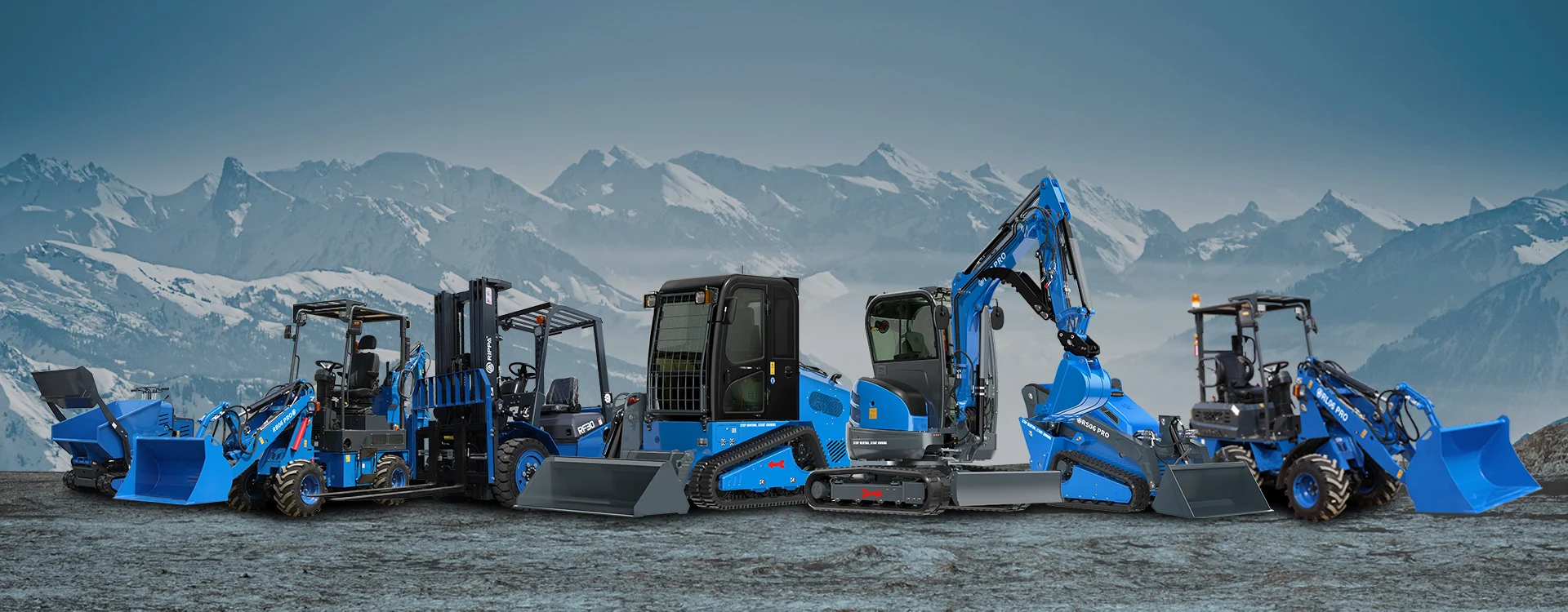
Conclusion
Attracting B2B customers requires a clear business positioning, professional product presentation, relevant content, and reliable supplier relationships.
Machinery dealers should focus on businesses with genuine equipment requirements and distribution potential.
By combining digital marketing, real equipment imagery, product demonstrations, and industry partnerships, dealers can develop more qualified business opportunities.
If you want to expand your machinery business, build a stronger B2B customer network and explore cooperation with RIPPA.
 Home
 Products
 Email
 WhatsApp