International equipment distributors have different options when researching Chinese skid steer loader brands. Some buyers focus on product selection, while others prioritize manufacturing capabilities, export experience, parts availability, and long-term business cooperation.
Choosing a brand is not simply a matter of comparing product photographs or quotations. For equipment dealers and importers, the supplier relationship can influence inventory planning, customer service, and business development.
This article explains how to evaluate Chinese skid steer loader brands and identify a suitable long-term equipment partner.
1. Understand the Chinese Skid Steer Loader Market
China has developed a broad construction machinery manufacturing industry.
Different manufacturers focus on different product categories, production capabilities, and international markets.
When researching Chinese skid steer loader brands, buyers should consider:
- Product portfolio
- Manufacturing background
- Export experience
- Component sourcing
- Quality management
- International dealer support
These factors help buyers understand whether a brand can meet their commercial and operational requirements.
2. Compare Brands Beyond Product Appearance
Product photographs and online listings are useful for initial research, but they do not provide enough information to evaluate a manufacturer.
Manufacturing Background
Check whether the company operates its own factory or works through external manufacturing partners.
Request information about production operations, equipment assembly, and manufacturing experience.
Product Portfolio
Consider whether the brand offers equipment that matches your target customers.
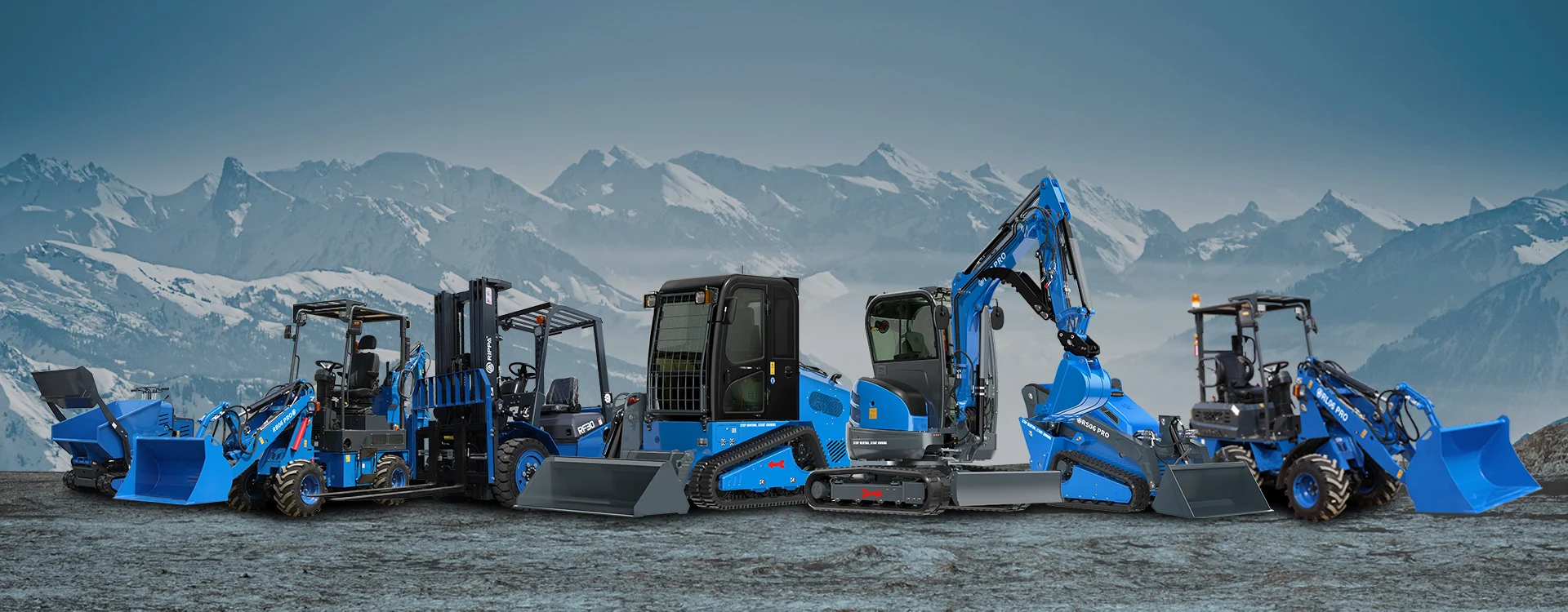
For example, distributors may look for manufacturers supplying skid steer loaders alongside mini excavators and wheel loaders.
A broader portfolio can create opportunities to serve existing customers with additional machinery categories.
Quality Management
Ask about component sourcing, assembly procedures, product testing, and pre-shipment inspection.
A manufacturer should be able to explain how equipment quality is managed.
Export Capabilities
International buyers should evaluate the supplier’s experience with export documentation, packaging, shipping arrangements, and overseas customer communication.
3. Evaluate the Brand’s International Market Support
A Chinese skid steer loader brand should be assessed based on more than its manufacturing capabilities.
International distributors also need practical business support.
Important areas include:
Product Information: Clear specifications, product photographs, operating manuals, and application information.
Spare Parts: Accessible parts catalogs, ordering procedures, and replacement component support.
Technical Communication: A clear process for handling product and maintenance questions.
Shipping Coordination: Communication about order processing, packaging, and international logistics.
Dealer Cooperation: Defined policies for wholesale purchases, regional distribution, and long-term partnerships.
The specific services available should be confirmed directly with each manufacturer.
4. Why Long-Term Supplier Relationships Matter
Equipment distribution involves repeat purchasing, customer feedback, inventory planning, and ongoing service.
A reliable manufacturing relationship can help dealers manage these activities more effectively.
More Consistent Purchasing Planning
Established cooperation can improve communication about product availability, production arrangements, and future purchasing requirements.
Better Product Knowledge
Working with one manufacturer over time can help dealers become more familiar with product configurations, attachments, maintenance procedures, and customer applications.
Improved Customer Service Coordination
Clear communication between dealers and manufacturers can help resolve product questions and coordinate parts requests.
Opportunities for Business Expansion
Some manufacturers offer regional dealer or distributor cooperation arrangements. These may create opportunities to expand into additional customer segments or geographic markets.
5. Questions to Ask Before Becoming a Dealer
Before signing a distribution agreement, international buyers should understand the commercial terms and responsibilities.
Consider asking:
- What are the requirements for becoming an authorized dealer?
- Are specific territories available?
- What are the wholesale purchasing conditions?
- Which products are available for distribution?
- How are spare parts requests handled?
- What marketing and product information is available?
- How are warranty and technical questions managed?
- What are the responsibilities of the manufacturer and local dealer?
Clear answers can help both parties establish realistic expectations.
6. RIPPA: A Chinese Construction Machinery Brand for International Buyers
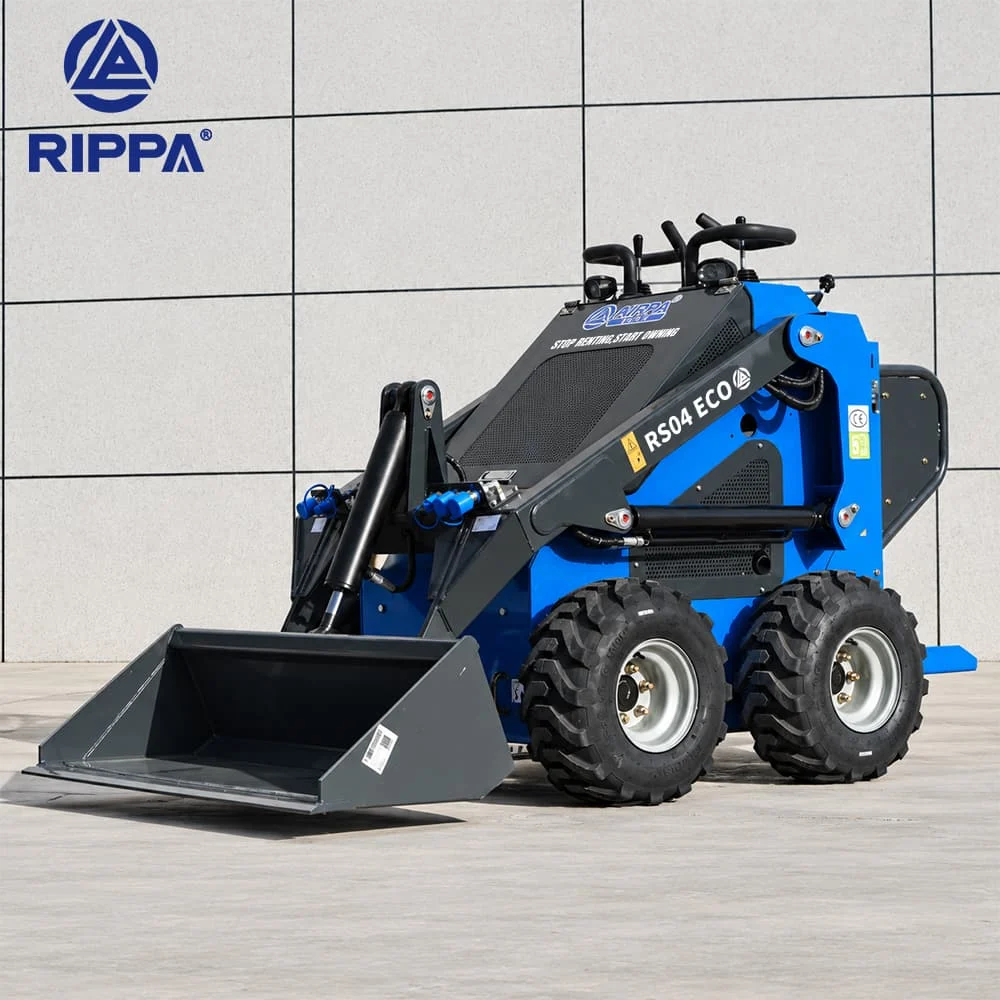
RIPPA is a Chinese construction machinery brand with an international business presence.
Its product portfolio includes skid steer loaders, mini excavators, wheel loaders, and other compact construction machinery.
For overseas machinery businesses, RIPPA offers opportunities to explore product sourcing and dealer cooperation.
Potential cooperation areas include:
- Wholesale equipment purchasing
- Regional dealer development
- Compact machinery portfolio expansion
- Spare parts coordination
- Product information support
- International shipping arrangements
Distributors can evaluate the available products and discuss cooperation requirements directly with the RIPPA team.
7. Common Mistakes When Selecting a Chinese Equipment Brand
Some purchasing mistakes can create unnecessary difficulties for international distributors.
Choosing Only by Price: A low quotation does not automatically mean the supplier offers the best overall business value.
Ignoring Manufacturing Verification: Buyers should understand who actually manufactures the equipment.
Overlooking Parts Support: Replacement parts and maintenance information should be considered before purchasing.
Assuming Every Brand Offers the Same Services: Dealer policies, export capabilities, and after-sales arrangements vary between manufacturers.
Failing to Define Cooperation Terms: Wholesale pricing, territory policies, warranty responsibilities, and order procedures should be discussed clearly.
8. Frequently Asked Questions
How do I compare Chinese skid steer loader brands?
Compare manufacturing background, product selection, quality management, export experience, spare parts support, and dealer cooperation policies.
Are Chinese skid steer loader brands suitable for international distribution?
Some Chinese brands actively supply overseas markets. Buyers should verify product suitability, applicable import requirements, and the manufacturer’s ability to support international distributors.
Can I become an exclusive dealer for a Chinese skid steer loader brand?
Some manufacturers may offer regional distribution arrangements. Exclusivity depends on the brand’s policies, market availability, and commercial agreement.
Should I choose a manufacturer with multiple equipment categories?
A broader equipment portfolio may create cross-selling opportunities, particularly for dealers already serving construction and agricultural customers. However, the products should match actual local demand.
Conclusion
Choosing a Chinese skid steer loader brand is an important decision for international equipment distributors.
Manufacturing credibility, product quality, export capabilities, spare parts support, and dealer cooperation should all be considered before establishing a supply relationship.
For businesses seeking long-term growth, the right manufacturing partner should provide more than equipment. It should support a dependable supply chain and help distributors develop their local markets.
 Home
 Products
 Email
 WhatsApp